No-Drama Start: Why a gentle home facial makes sense for sensitive skin
Surprising fact: up to 60% of people say their skin reacts to new products, but that doesn’t mean you need a lab or a weird oil to pamper yourself. This guide shows a SIMPLE, low-risk at-home facial using common kitchen-friendly items and gentle steps so you avoid the red, angry aftermath. No judgment. No essential oil cults.
You’ll get quick self-checks to see if your skin is truly sensitive, clear patch-test and safety tips, a fuss-free cleanse, soft steam/exfoliation alternatives, soothing mask recipes, and realistic moisturizing and sunscreen plans. Think spa vibes with plain-speech instructions and easy swaps when your skin needs softer care. You’ve got this, seriously.
Meet Your Skin: What 'sensitive' actually means and a quick self-check
In plain English
Sensitive skin = a complexion that gets easily upset. Think: quick redness after a new cream, surprise stinging in cold wind, or a tiny scratch that stays angry for days. It’s not just drama—it’s a skin barrier that’s a little (or a lot) more reactive to touch, temperature, ingredients, and overzealous routines.
Quick self-check: are you sensitive?
Try this mini quiz. If any of these sound familiar, proceed gently.
Your skin stings, burns, or flushes within minutes of a new product.
You get flaky patches, persistent tightness, or visible redness regularly.
Scrubbing or exfoliating causes immediate discomfort or prolonged irritation.
Heat, cold, or wind quickly makes your face redder or more uncomfortable.
Products with fragrance or alcohol turn your skin worse fast.
Triggers to watch
Fragrance, denatured alcohol, menthol.
Strong acids (high % AHAs/BHAs), retinoids used too aggressively.
Physical scrubs, rough washcloths, or aggressive extractions.
Mixing active ingredients without space (e.g., glycolic + retinol on same night).
Gentle Champion
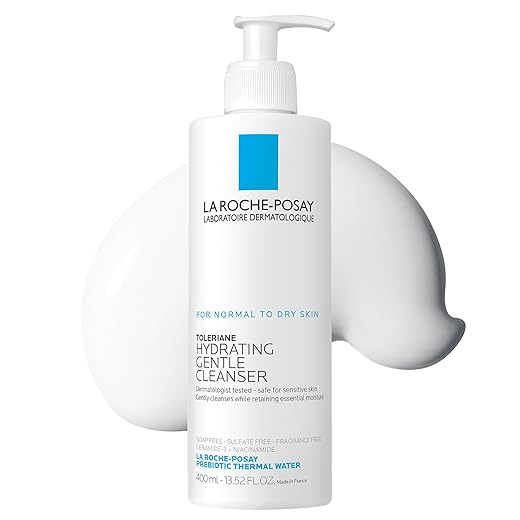
La Roche-Posay Toleriane Hydrating Gentle Face Cleanser
Hydrates with niacinamide and ceramides
A calm, hydrating cleanser that uses niacinamide and ceramides to soothe dry, sensitive skin while keeping natural oils intact. Feels like a soft high-five to your skin—clean but chill.
Mild: Occasional sting or tightness. You can try the full gentle facial but avoid high-strength acids; use hydrating masks and soft steam.
Moderate: Regular redness or flaking. Skip steam and any exfoliation; stick to gentle cleansing and barrier-repair masks.
High: Burning, cracking, weeping, or intense itching—stop DIY. Use only a basic hydrating cleanser, moisturizer, and see a dermatologist before trying masks or exfoliation.
If you ever get open sores, swelling, or severe pain, pause the home spa and consult a pro. Up next: safety-first patch-testing and how to avoid classic DIY traps.
2
Safety First: How to patch-test, spot-check ingredients, and avoid common pitfalls
Step-by-step patch test
Try this before slathering anything on your whole face — think of it as asking your skin for permission.
Pick a spot: inner wrist or behind the ear (thin, sensitive skin = good signal).
Apply one small dab of the product or ingredient — pea-sized for creams, single drop for oils.
Wait 24–48 hours. No washing that spot unless you see a problem.
Watch for swelling, persistent redness, burning, itching, blistering, or hard bumps.
If anything shows up, treat it like a hard “no” from your skin.
Single-ingredient testing for homemade mixes
When you make a mask, test each ingredient separately — test the honey, the yogurt, not the whole jar of goo. That way you know the culprit: a dairy reaction, pollen in raw honey, or a preservative in an additive.Try a tiny amount of plain honey, plain yogurt, or mashed banana on your wrist, not the mixed product.
Best Seller
CeraVe Moisturizing Cream with Hyaluronic Acid and Ceramides
24-hour hydration with MVE technology
A rich, non-greasy cream that restores the skin barrier using three essential ceramides and hyaluronic acid for all-day hydration. Think of it as a moisture blanket that quietly does its job while you do other things.
Baking soda: highly alkaline — disrupts your barrier and causes stinging.
Undiluted essential oils (like tea tree, peppermint): concentrated irritants and common allergens.
Lemon juice/vinegar: acid that can burn and sensitize skin, especially thin, reactive faces.
Rubbing alcohol/Isopropyl alcohol: strips oils and dries the barrier to the point of revolt.
Simple substitution rules
Dairy allergy: use unsweetened coconut yogurt, oat yogurt, or aloe vera gel.
Honey reaction: swap mashed banana, cooked oat paste, or cooked apple sauce.
Essential-oil scents: choose fragrance-free products or a drop of non-irritating oil like squalane (test first).
If you react
Rinse with cool water, apply a cold compress, stop using the product, and try an over-the-counter antihistamine for itching. If you get heavy swelling, blistering, breathing trouble, or worsening pain — call a doctor. And remember: “If your face feels like a tomato, stop being brave.”
3
Prep and Gentle Cleanse: A no-fuss step-by-step cleanse using kitchen-friendly items
Quick prep (the boring but important part)
Tie your hair back, wash your hands, grab a fresh towel and a clean bowl of lukewarm water. Think: spa energy, not battlefield. Having a tidy spot reduces accidental face-smooshing with grimy fingers.
Hair tie, headband, or scrunchie
Fresh towel or clean cotton T-shirt (less abrasive than terry)
Bowl or basin with lukewarm water for rinsing
Super-gentle double-cleanse (yes, you can do this with kitchen stuff)
Double-cleansing = remove surface gunk, then cleanse the skin itself. For sensitive skin, keep both steps soft.
Step 1 — oil or micellar remover
Use a soft oil (fractionated coconut oil or olive oil if you tolerate them) and massage briefly to melt sunscreen/makeup. Note: olive and regular coconut oil are somewhat comedogenic for some—patch test first.
Or use micellar water (examples: Bioderma Sensibio H2O, La Roche-Posay Micellar Water) for a no-rinse, gentle wipeaway.
Calming Favorite
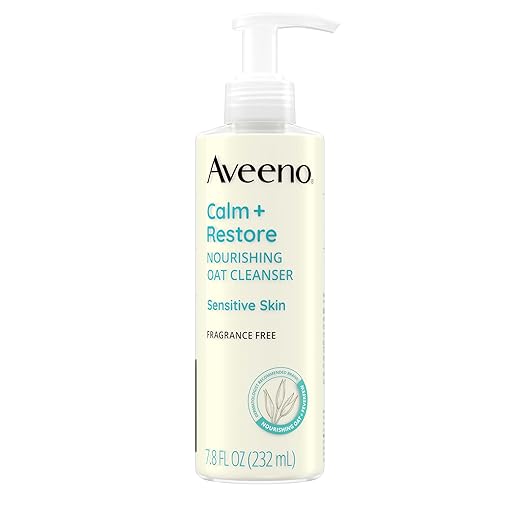
Aveeno Calm and Restore Oat Facial Cleanser
Soothes sensitive skin with oat and feverfew
A gentle milky cleanser that lifts dirt while preserving your skin’s moisture barrier with nourishing oat and feverfew. Perfect for sensitive or dry skin—kind of like a cozy nap for your face in a pump bottle.
Step 2 — water-based wash Follow with a mild cleanser or a DIY oat wash (recipe below).
DIY oatmeal cleanser (very simple)
Use 1 tbsp colloidal oatmeal OR 2 tbsp finely blended oats (blend until powdery).
Mix with enough lukewarm water to make a spreadable paste.
Why oats? They contain beta-glucans and soluble fibers that calm inflammation and help bind moisture—basically, comfort food for your skin.
Massage gently with fingertips for 30–60 seconds (no scrubbing), rinse with lukewarm—not hot—water, and pat dry with a soft towel.
If you can’t use oats: dilute plain aloe vera gel 1:1 with water and use the same gentle technique (patch-test first).
How often during your routine
During the facial: do the double-cleanse once at the start.
Frequency: full gentle facial once a week; basic gentle cleanse once daily (evening is must—morning can be a rinse or light cleanse).
Next up: mild steaming, soft exfoliation options, and extraction alternatives—no drama, promise.
4
Steam, Exfoliation and Extraction Alternatives: Soft ways to refresh without rage
To steam or not to steam
Steam can help loosen mild congestion, but keep it short and chill: fill a bowl with warm (not boiling) water, drape a towel over your head to make a tent, and breathe gently for 3–5 minutes — think steeping tea, not running a sauna. Skip steaming if you’re prone to visible capillaries, rosacea flares, or angry, reactive skin.
Gentle exfoliation options
Enzymatic (chemical-light)
Use very dilute, natural enzymes like mashed papaya or a tiny amount of crushed fresh pineapple mixed into aloe or yogurt. Apply for 1–3 minutes, rinse. Patch-test first: these fruits contain papain and bromelain, which can sting if left too long or used full-strength.
Mechanical (soft touch)
Oat scrub: 1 tsp finely ground oats + 1 tsp water or yogurt — press gently for 20–30 seconds, rinse.
Konjac sponge: soft, buoyant, and nonabrasive — great for daily smoothing without microtears. Works better than aggressive scrubs and is travel-friendly.
Eco Value Pack
Minamul Konjac Exfoliating Bamboo Charcoal Sponge Set
Five-pack for gentle daily exfoliation and detox
Natural konjac sponges infused with bamboo charcoal that gently unclog pores, remove makeup, and reduce the need for heavy cleansers. Comes as a five-pack—an army of tiny sponges to battle grime and dullness.
Baking soda, ground nutshells, or coffee scrubs (they disrupt pH and cause micro-abrasions).
Any rough, gritty scrubs that make your skin feel tight or raw.
Extraction alternatives and when to stop
If a pore looks ready: steam briefly, sanitize hands, wrap a clean tissue around a fingertip or use a cotton pad, and apply very gentle, even pressure outward. If the spot resists, stop. Better option: apply a hydrocolloid pimple patch (e.g., Cosrx or similar) and let it draw overnight.
Signs to bail immediately:
Increasing stinging, spreading redness, oozing, bleeding, or sharp pain.
No squeezing like a pimple-hunting raccoon — your future self will thank you.
5
Masks & Soothing Treatments: Easy at-home recipes and sensitivity-based swaps
Soothing mask recipes (quick, kitchen-friendly)
Colloidal oatmeal + water or brewed chamomile — calming for most sensitive skins
What to expect: light smoothing and soft glow. Mild tingling is possible (lactic acid); stop if burning or flushing.
Pure aloe vera gel + a drop of glycerin — ultra-soothing for reactive or rosacea-prone skin
Amounts: 1 tbsp pure aloe vera gel + 1 drop (≈1/8 tsp) glycerin; mix well.
Time: 5–10 minutes.
Remove: soft cloth or lukewarm water.
What to expect: cooling, calming, reduced heat sensation. Use after brief steam or when skin feels overheated.
Soothing Classic
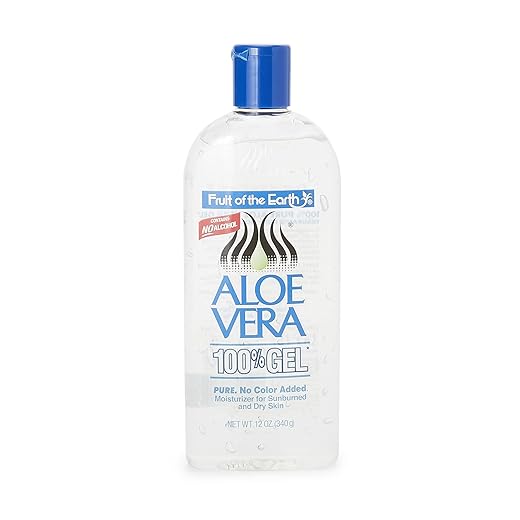
Fruit of the Earth 100% Aloe Vera Gel
Cooling, fragrance-free soothing for skin and burns
Pure aloe vera gel made from fresh leaves, free of fragrance and color, that soothes sunburns and helps retain moisture. Like a chilled towel for your skin—instant calm and zero fuss.
Dairy-free yogurt: coconut or oat yogurt (unsweetened) for lactose/intolerance.
Gluten-free oats: certified gluten-free if you have celiac or extreme sensitivity.
Pre-made sensitive-sheet-mask: a sterile, fragrance-free sheet (e.g., melon or centella variants) if you want zero-mess, travel-friendly rescue.
Do NOT mix (quick safety checklist)
Exfoliant acid + fresh citrus + enzymatic mask
Retinol + AHA/BHA + any strong vitamin C serum
Multiple leave-on actives at once (your skin will send a protest tweet)
Keep it simple, short, and test as you go.
6
Seal, Protect and Maintain: Moisturize, sunscreen, and a realistic maintenance plan
Lock in hydration (the five-second rule for actual skin)
After your mini-facial, while skin is still slightly damp, apply a thin, fragrance‑free moisturizer. Start with a humectant layer: a few drops of glycerin or a hyaluronic‑acid serum (The Ordinary Hyaluronic Acid 2% + B5 is a cheap, practical example). Wait a beat, then follow with an emollient or ceramide‑rich cream to seal the deal—think CeraVe Moisturizing Cream or La Roche‑Posay Cicaplast for flare-ups.
Sunscreen: non-negotiable after steam or exfoliation
Any exfoliation or steam temporarily thins the outer layer—so SPF is required. If your skin is reactive, choose a mineral (physical) sunscreen with zinc oxide/titanium dioxide; they’re less likely to sting than chemical filters.
Matte Protection
La Roche-Posay Anthelios Ultra-Light SPF 50 Fluid
Matte, fast-absorbing mineral sunscreen
A lightweight, oil-free SPF 50 face sunscreen with titanium dioxide for broad-spectrum protection and a non-greasy matte finish. Sits nicely under makeup—your invisible yet vigilant sunscreen bodyguard.
You’ve got a calm, step-by-step facial that leans on gentle kitchen-friendly staples, slow actions and clear safety moves. Patch-test first, pick milder options, and treat exfoliation and steam like small experiments—not fireworks. The goal is happy, not heroic skin.
Adapt each step to your sensitivity, skip or swap anything that tingles too much, and keep expectations low (your skin will thank you later). Have fun with the ritual, laugh at the mishaps, and repeat on a realistic schedule. Try one new tweak at a time and report back to your own mirror—gentle wins. Share your results or jot notes; consult a dermatologist for persistent reactions or flares. Stay curious, not crispy.