Chill the Flare — Why Your Evening Routine Can Save Tomorrow’s Face
If your skin had a group chat, rosacea would be that dramatic friend who texts at 2 a.m. This simple, consistent evening routine helps you stop overnight meltdowns and wake up with less fire.
This guide is for beginners and derm‑approved — meaning no wild experiments, no mystery serums, and zero guesswork. We focus on safe ingredients, practical swaps, and real-world budget sense. Mild sarcasm included at no extra charge.
We follow a ONE-THING-AT-A-TIME approach: introduce one change, patch-test it, wait, then decide. That’s how you learn what calms rather than provokes.
Short, clear steps ahead: gentle cleanse, smart actives, hydrate & repair, nighttime first aid, plus a cheat sheet for shopping. Ready? Let’s make bedtime your rosacea’s least favorite hour.
Small changes add up — your skin will thank you.
Best Value
Amazon.com
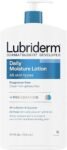
Lubriderm Fragrance-Free Daily Moisture Lotion, 24 fl oz
Step 1 — Cleanse Gently: Say Goodbye to Squeaky Clean (and Red)
Why cleansing is your rosacea foundation
Think of your cleanser as the bouncer: it should politely show irritants the door without trashing the place. For rosacea, that means removing makeup, sunscreen, and pollution while preserving the skin barrier. Strip the oils and you get inflammation + vasodilation = instant regret (and redness the next morning).
What to use (beginner-friendly options)
Cream or hydrating gel cleansers: non-foaming, minimal ingredients. Feels like kindness.
Micellar water: great for no-rinse makeup removal or travel—look for fragrance-free versions.
Oil or balm cleanse: excellent for heavy makeup or SPF—follow with a gentle rinse.
Gentle Favorite
Vanicream Gentle Facial Cleanser with Pump, 8 fl oz
Formulated without common irritants for sensitive skin
A super-mild, pH-balanced cleanser that removes dirt, oil, and makeup without drying or irritating. No soap, sulfates, dyes, or nasties — your sensitive-skin BFF.
Real-world picks: Cerave Hydrating Cleanser and La Roche-Posay Toleriane Dermo-Cleanser are often recommended by derms; micellar options like Bioderma Sensibio H2O are rosacea-friendly. (If the label screams “whitening” or “anti-acne harshness,” keep walking.)
What to avoid and why
Harsh foaming sulfates (SLS/SLES): they strip lipids and ignite inflammation.
Fragrance and denatured alcohols: common irritants and vasodilators.
Abrasive scrubs and brushes: mechanical trauma = flare-ups.
Astringent toners: they can be deceptively stingy.
How to do it — the 60-second gentle routine
Use lukewarm water (no steam sauna).
Pump a pea‑to‑nickel sized amount into clean fingertips.
Massage gently in small circles for 20–30 seconds—no scrubbing; think “massage, not sandpaper.”
Rinse with lukewarm water and blot dry with a soft towel. Breathe. Repeat if sunscreen was heavy.
If your cleanser stings
Stop immediately. Rinse, switch to a bland moisturizer, and patch-test a new product on your inner forearm for 48 hours. If you blister or swelling occurs, call your dermatologist.
Substitutions: oily, dry, on a budget
Oily: gel cleanser with niacinamide or zinc (gentle, not stripping).
Dry: cream/balm or double-cleanse with oil then a hydrating cleanser.
Budget: fragrance-free micellar water or a drugstore gentle cream cleanser (look for “non-comedogenic” and “fragrance-free”).
Rinse
Pat
Breathe
Next up: we calm what’s left—safe actives that soothe instead of start a fight.
2
Step 2 — Treat Smart: Safe Actives That Calm, Not Conquer
You’ve cleaned the battleground. Now pick your allies—gentle, dermatologist‑approved actives that soothe redness and reduce bumps without starting a civil war on your cheeks.
Azelaic acid — the rosacea MVP
Azelaic acid does three useful things: it calms inflammation, reduces redness, and helps clear pustules. It’s a favorite of dermatologists because it’s effective and generally well tolerated.
OTC: 10% azelaic (gels or creams) is common and works for many people.
Rx: 15%–20% formulations (e.g., Finacea) can be stronger and require a derm’s ok.
Start slow: patch test, then use 2×/week and build up. If it tingles, try buffering (see below) before giving up.
Niacinamide — friendly, but start low
Niacinamide reduces redness, strengthens barrier function, and loves company with ceramides. But very high concentrations can feel tingly for some.
Cult Favorite
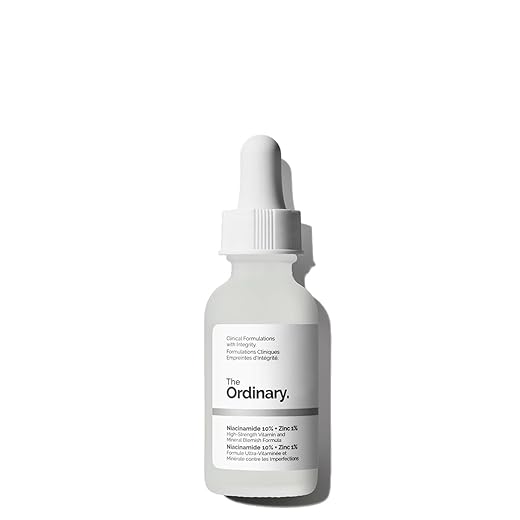
The Ordinary Niacinamide 10% + Zinc 1% Serum
Smoothing serum for blemish-prone, oily-looking skin
A lightweight serum that helps reduce visible blemishes and control shine using niacinamide and zinc. Think of it as your skin’s bouncer — tells oil and spots to stay out.
Can’t do niacinamide? Try a pump‑free azelaic formulation or a gentle peptide serum.
Sensitive but oily? Low‑strength azelaic gel or niacinamide 2–5% + light, non‑irritating moisturizer.
How to introduce an active (quick how‑to)
Patch test: inner forearm → observe 48 hours.
Start 2×/week for 2 weeks → every other night for 2 weeks → nightly as tolerated.
If stinging: dilute a dab with moisturizer, or apply moisturizer first to buffer, then the active after 5–10 minutes.
If severe redness or swelling, stop and see your derm.
Next, we’ll lock in the gains with hydration and repair—moisturizers that play peacekeeper come up in Step 3.
3
Step 3 — Hydrate & Repair: Moisturizers That Play Peacekeeper
Your moisturizer’s job with rosacea: soothe inflammation, rebuild the skin’s lipid fortifications, and lock in water so tomorrow’s face isn’t a Sahara. Think of it as hiring a gentle bodyguard — not a bouncer who throws everyone out.
Key ingredient roles (aka who does what)
Humectants: glycerin, low‑molecular‑weight hyaluronic acid — draw water in and keep skin plump.
Barrier lipids: ceramides, cholesterol, fatty acids — the mortar between skin bricks; essential for long‑term calm.
Soothers: panthenol (B5), allantoin, bisabolol — lower irritation and give ROSacea a timeout.
Gentle occlusives: dimethicone, squalane, petrolatum — seal the deal overnight so hydration doesn’t escape.
Hydration Hero
Advanced Clinicals Hyaluronic Acid Body Cream, 16 Ounce
Plumps, hydrates, and smooths dry, crepey skin
A rich, velvety body cream with hyaluronic acid, squalane, and vitamin B5 to visibly plump and soften dry skin. It’s like a big drink of water for your arms and legs — minus the spills.
Oily/combination: light gel‑cream with glycerin + niacinamide or a squalane oil topper. Example: gel‑creams that disappear in 10 seconds.
Dry/sensitive: richer cream with ceramides + petrolatum or dimethicone to reduce transepidermal water loss (TEWL).
Normal: a classic ceramide lotion (think CeraVe PM–style) works beautifully.
Budget swaps & real-world substitutions
Squalane (affordable, non‑greasy) vs heavier occlusives: squalane is breathable and less likely to pill; petrolatum is the heavyweight champ for severe barrier repair (Vaseline) but feels greasy.
Ceramide drugstore creams (CeraVe, Cetaphil) are often as effective as pricier “barrier” brands — save money for sunscreen.
Troubleshooting common annoyances
Pilling? You’re layering too much or using incompatible silicones. Wait 30–60 seconds for each layer, then use less product.
Clogged pores? Swap heavy oils for squalane or dimethicone-based occlusives; avoid comedogenic botanicals.
Feeling greasy? Try a gel‑cream or apply a pea‑size of occlusive only to the driest zones at night.
Layering order & timing (quick how‑to)
Cleanser → pat skin damp.
Water‑based serums/actives (azelaic or niacinamide) → wait 30–120 seconds until tackiness eases.
Humectant serum (glycerin/low‑MW HA) if used separately.
Ceramide/repair moisturizer.
Occlusive (dimethicone/squalane/petrolatum) last, especially overnight.
Fragrance and essential oils? Skip them. They’re pretty much the uninvited drama queens of skincare for rosacea-prone skin.
Next up: when your face needs extra triage—simple, science‑backed nighttime first aid for flare days.
4
Step 4 — Calm the Flare: Nighttime First Aid (No Witchcraft, Just Science)
When your face decides tonight’s the night to audition for a tomato commercial, here’s a simple, dermatologist‑friendly triage kit to calm things down fast — no snake oil, just common sense and a little science.
Cool compress: how, how long, how often
Use a soft cloth soaked in cool (not ice‑cold) water. Squeeze out excess so it’s damp, not dripping.
Apply gently for 5–10 minutes. Repeat every 30–60 minutes for the first few hours if it helps.
Never press, rub or hold an ice cube directly on skin — that can damage capillaries and worsen redness.
Immediate stinging/stinging product reaction
Stop the offending product the second your skin protests. Rinse with lukewarm water and pat dry.
Barrier‑first approach: soothe, don’t treat aggressively. Apply a gentle, non‑fragranced barrier moisturizer to seal things in and lower sensory nerve firing.
Skip other actives for 48–72 hours. If stinging persists, call your derm.
When medical treatment might be appropriate
If redness is intense, spreading, or accompanied by bumps/pustules, contact your dermatologist. Short courses of topical corticosteroids can reduce inflammation quickly, but they can cause rebound or steroid‑induced rosacea if used long term — always use under supervision.
Derms may suggest short oral treatments (e.g., doxycycline at anti‑inflammatory doses) or prescription topicals (ivermectin, metronidazole) for more severe flares.
Safe OTC calming ingredients (patch test first)
Licorice extract (glabridin) — anti‑inflammatory and brightening in low concentrations.
Colloidal/low‑concentration oat extract — soothing and barrier‑friendly.
Feverfew (conservative formulations) — can reduce redness; start conservatively.Patch test: apply a pea‑size to inner forearm and wait 24–48 hours.
Risky hacks to avoid
Ice directly on skin — vascular damage.
Alcohol wipes or rubbing alcohol — strip and sting.
Essential oils (tea tree, lavender, peppermint) — common irritants and sensitizers.
Stop new products → cool compress (5–10 min) → apply barrier moisturizer → rest for 48–72 hrs with gentle care → call dermatologist if worse, spreading, or persistent.
Redness Reducer
Tower 28 SOS Daily Barrier Recovery Moisturizer, 1.86 oz
Clinically proven to reduce redness and calm skin
A lightweight, fragrance-free cream packed with ceramides and multiple hyaluronic acids to calm irritation and strengthen the skin barrier. Clinically shown to reduce redness — perfect for days your face needs a time-out.
Minimalist (3-step): gentle cleanser → lightweight barrier moisturizer → sunscreen next morning. Great for nights when your skin just wants to Netflix and chill (literally).
Balanced (4-step): gentle cleanser → azelaic/niacinamide treatment (alternate nights) → ceramide-rich moisturizer → spot calm if needed. Good for steady maintenance without drama.
Repair mode (for reactive skin): cool compress → skip any active treatments → rich occlusive/ceramide cream → sleep. Use until skin calms 48–72 hours, then resume slowly.
Barrier Booster
Illiyoon Ceramide Ato Concentrate Cream, 2.53 fl oz
100-hour hydration and barrier repair for all ages
A plant-ceramide-rich cream that promises ultra-long hydration (up to 100 hours) while repairing and strengthening the skin barrier. Gentle enough for babies and dramatic enough for flaky adults — skincare that plays nice with everyone.
“Fragrance‑free” = good; “unscented” can still mask with chemicals.
“Hypoallergenic” and “dermatologist tested” = marketing; check the ingredient list.
If a product claims “clinically proven,” look for study details or percentage of active ingredient.
Short ingredient lists = fewer chances to irritate. Longer lists ≠ better.
Troubleshooting FAQ
Product stings on application: rinse, stop use, apply barrier moisturizer. Patch test new product on inner arm for 48 hours next time.
Redness worsens after 48–72 hrs: stop new items, call derm. If swelling, pain, or fever — seek immediate care.
Want to add a retinoid later? Build tolerance: start every 4–5 nights with a low‑strength option (peptides/retinol 0.025% equivalent), pair with moisturizer sandwich, and monitor.
When to see a dermatologist
Flareups that impair daily life, spread, or include pustules.
No improvement after conservative care (2–4 weeks).
Considering prescription topicals or oral meds.
Prioritized shopping cheat sheet
Drugstore (budget-friendly)
CeraVe PM, Vanicream, The Ordinary Azelaic Acid 10%
Mid‑range (mix of tech + tolerance)
La Roche‑Posay Toleriane line, Paula’s Choice Calm/10% Azelaic
Apothecary / higher‑end (targeted)
Avene Antirougeurs, prescription options (ask your derm)
These lists focus on ingredients that work — not pretty packaging. Next up: wrap it up and tuck your skin in for the night.
Go to Bed Calm — Small Wins, Less Red
Consistency and gentle choices win over midnight ingredient experiments — remember: introduce one active at a time and patch test new products on a small skin area. If redness or bumps are persistent, worsening, or painful, call your dermatologist rather than DIY-ing a miracle.
Try tonight’s simplified routine; celebrate small wins and let your skin rest. Wake up, check the mirror (and maybe recruit your cat as an honest beauty critic), and note what changed. Keep it simple, keep it steady — less fuss, fewer flares. Over weeks, those little choices add up to calmer skin, fewer surprises, and a bedtime routine you actually want to follow. Sweet dreams, skin friend.
Chill the Flare: A No-Fuss, Derm‑Approved Night Routine for Rosacea